

The Evolution and Impact of Megaways and Other Cascading Reel Mechanics
February 27, 2026Remember the classic slot machine? Three reels, a single payline, and a satisfying clunk-clunk-clunk as the symbols landed. It was simple, sure. But then something happened. The reels didn’t just spin and stop anymore—they exploded, tumbled, and multiplied. Honestly, the introduction of cascading reel mechanics, especially the behemoth known as Megaways, didn’t just change the game. It rewrote the entire rulebook for online slots.
From Humble Drops to Avalanches: The Early Days
Let’s rewind. The concept of symbols falling into place, rather than spinning, actually has ancient roots—think puzzle games like Columns or Tetris. But in the slot world, it was games like Gonzo’s Quest by NetEnt that truly popularized the “Avalanche” mechanic back in 2010.
Here’s the deal: you’d get a win, the winning symbols would vanish, and new ones would cascade down from above. This created a chain reaction of potential wins from a single spin. It was hypnotic. Players weren’t just waiting for reels to stop; they were watching a dynamic, unfolding event. The cascading reels mechanic introduced a new kind of rhythm and, crucially, a multiplier that increased with each consecutive cascade. The potential felt… bigger.
The Big Bang: Enter Megaways
If cascading reels were a tremor, Megaways was the earthquake. Developed by the Australian studio Big Time Gaming (BTG) and first unleashed in 2016 with Dragon Born, the Megaways engine was a genuine stroke of genius. It solved a core limitation: static reel sets.
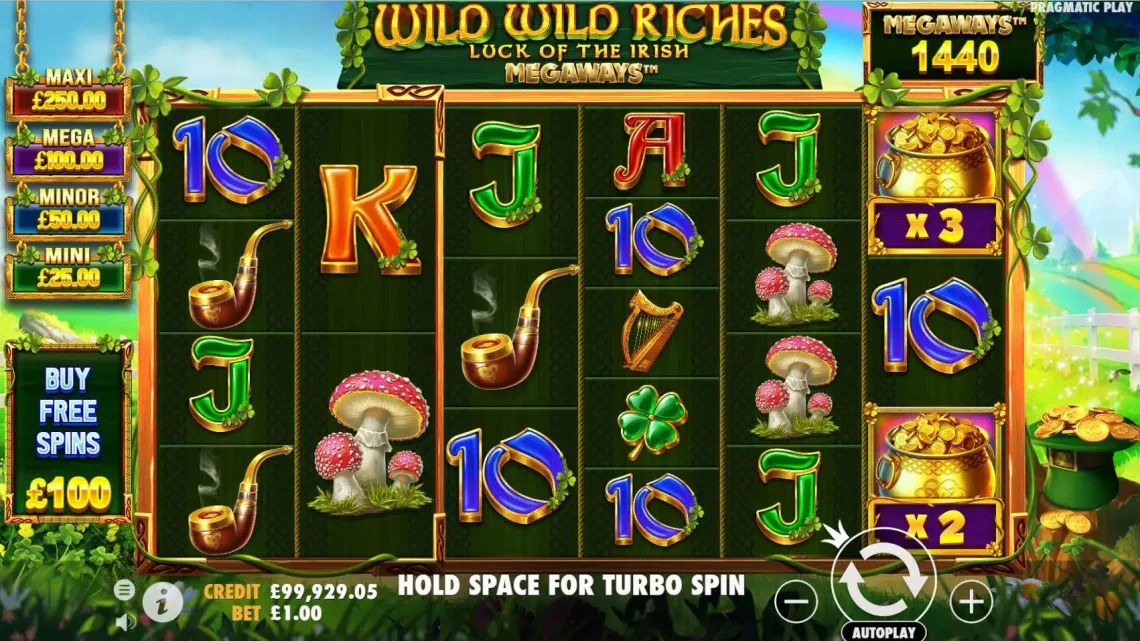
The patented system is deceptively simple. Instead of a fixed number of symbols per reel, each reel can display a varying number of symbols—between two and seven—on every single spin. This variability changes the number of ways to win dynamically. With six reels, the math is staggering: 2x2x2x2x2x2 = 64 ways at minimum, all the way up to 7x7x7x7x7x7 = 117,649 ways at maximum. That’s where the name comes from.
But here’s the real kicker: combine this with a cascading wins feature and an unlimited win multiplier. You get a slot where the grid is in constant flux, the ways to win shift like sand, and the multiplier just… climbs. It creates this incredible, nail-biting tension. Bonanza became the poster child for this, its mining theme perfectly matching the mechanic’s “digging for more” feeling.
Why Megaways Hooked Players (and Developers)
The impact was immediate and twofold. For players, it was about transparency and potential. You could literally see the reels expand and contract. The win possibilities weren’t hidden behind complicated payline structures. And that ever-growing multiplier? It fed the dream of a single spin turning into a monumental win streak.
For game studios, it was a licensable engine—a blueprint for success. Companies like Blueprint Gaming, Pragmatic Play, and Relax Gaming jumped on board, creating their own branded Megaways titles. The table below shows just how it diversified:
| Studio/Provider | Notable Megaways Title | Key Twist |
| Big Time Gaming (Creator) | Bonanza, Who Wants to Be a Millionaire? | Established the core formula: cascades, unlimited multiplier. |
| Blueprint Gaming | Buffalo Rising Megaways, King of Cats Megaways | Merged the engine with popular branded & classic slot themes. |
| Pragmatic Play | Gates of Olympus, Sugar Rush | Added “Tumble” feature, focused on high-volatility, multiplier-centric gameplay. |
| Relax Gaming | Money Train 2, Snake Arena | Integrated Megaways into already innovative bonus round structures. |
The Ripple Effect: Other Cascading Mechanics Emerge
Naturally, success breeds innovation—and competition. You couldn’t patent the general idea of symbols falling down. So, other developers created their own spins on the cascade. They had to, really, to stand out.
We saw mechanics like:
- Cluster Pays: Games like Reactoonz or Aloha! Cluster Pays ditched paylines altogether. Wins are formed by groups of adjacent symbols (clusters). When a cluster wins, it disappears, causing the mother of all cascades as symbols flood in from all sides to fill the odd-shaped gap.
- Dual-Function Grids: Play’n GO’s Gigantoonz is a wild example. It uses a giant grid where cascades create larger, more valuable “Toonz” symbols. It feels less like a slot and more like a living, breathing puzzle board.
- Colossal Reels & Splits: Think Piggy Bank Bills or NetEnt’s Viking Clash. Here, standard symbols can split into multiple smaller ones on a cascade, or entire reels can become colossal, displaying massive symbols that cover multiple positions. The cascade is the trigger that unleashes this chaos.
The Real Impact: A Changed Landscape
So, what did all this actually do? Well, it shifted player expectations, for one. The static, one-and-done spin now feels almost quaint. Modern players anticipate interaction, chain reactions, and features that unfold. The cascading reel slot machine created a demand for more engaging, game-like experiences.
It also pushed volatility and potential. These mechanics are perfect vehicles for high-volatility math models. The dry spells can be longer, sure—you know, while you wait for the grid to “activate.” But the promise of that one explosive bonus round with non-stop cascades and soaring multipliers is what keeps players coming back. It’s a trade-off the market has wholeheartedly accepted.
And let’s talk about burnout—not player burnout, but theme burnout. How many Egyptian or fruit-themed slots can you make? Cascading mechanics, especially Megaways, became a fresh coat of paint. They gave developers a new way to revitalize classic themes. A “Book of” slot is one thing; “Book of Megaways” feels like a sequel.
The Flip Side: Criticisms and Considerations
It hasn’t all been golden cascades, though. Some purists argue the market is oversaturated. “Yet another Megaways reskin,” they sigh. There’s a valid point about Megaways slots feeling similar underneath their thematic skin. The core loop is powerful, but it can be repetitive.
Furthermore, the sheer number of ways and potential can be… illusory. A win on 117,649 ways often pays a fraction of a bet. Understanding hit frequency and win distribution became more important than ever. Players had to get smarter.
Looking Down the Reels: What’s Next?
The evolution hasn’t stopped. We’re now seeing hybrids and next-gen iterations. Mechanics like “Megapays” or “Ways Boosters” that alter the ways during the base game. Cascades that work in different directions, or that leave behind “wild debris.” Games that blend cascading reels with hold-and-spin mechanics, creating a layered, strategic depth.
The true legacy of Megaways and its cascading cousins isn’t just a patent or a feature set. It’s a mindset. It proved that slots could be dynamic, unpredictable, and deeply engaging beyond the lever pull. They turned the reel grid from a static picture into a living, reactive stage.
In the end, that clunk-clunk-clunk is still there, buried in the code. But now it’s the sound of one domino falling in a chain that just might—if the stars align and the reels expand just right—go on forever. And that possibility, that dream of the infinite cascade, is what truly reshaped the world beneath our spinning reels.


